
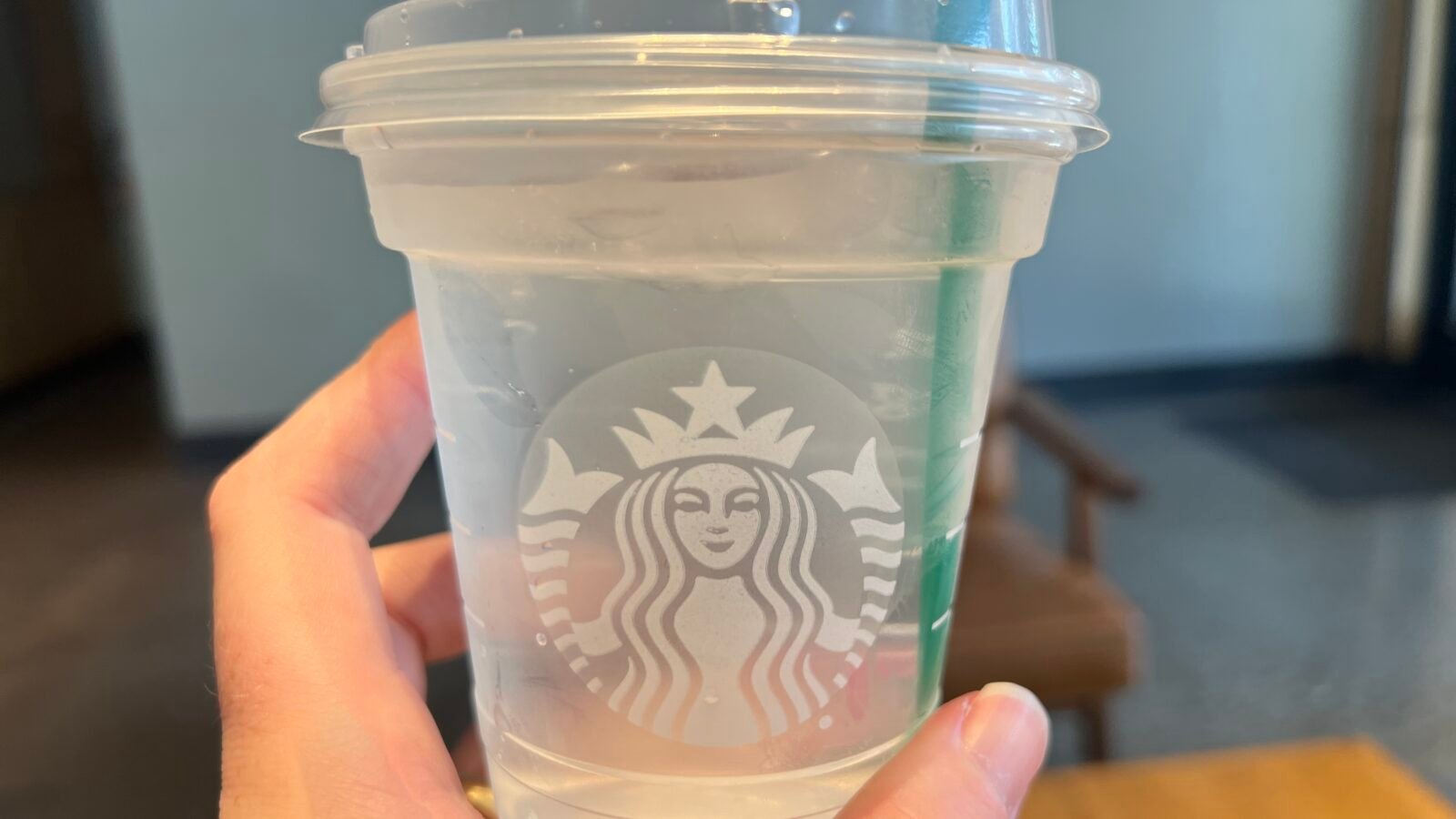
There are plenty of Starbucks menu items people obsess over, but one of the chain’s most surprisingly devoted followings is for something that isn’t really on the menu at all: its water.
Order a cup of ice water from Starbucks and you may notice that it tastes unusually clean, crisp and neutral — sometimes noticeably better than the water coming out of the tap at home.
There is a reason for that.
Starbucks puts considerably more thought into water than you might expect, and Green Mermaid Review found documentation showing just how elaborate the filtration equipment can get.
Starbucks Takes Its Water Seriously
Starbucks itself says water quality is critical to making good coffee.
In its official at-home brewing guidance, Starbucks notes that brewed coffee is approximately 98% water and recommends starting with “cool, fresh, preferably filtered water.”
The company also specifically warns against both distilled and mineral water. Distilled water can be too stripped-down for ideal coffee extraction, while mineral water can contribute flavors of its own.
That philosophy extends well beyond home-brewing advice. Starbucks’ own materials say its Cold Brew is steeped in filtered water, while its iced coffee is also brewed using filtered water.
And behind the counter, Starbucks stores can have some serious water-treatment hardware.
Yes, Reverse Osmosis Is Involved
You’ve probably seen claims online that Starbucks uses “triple-filtered water.”
That description isn’t entirely wrong, but the actual setup can be considerably more sophisticated — and Starbucks does not appear to use one identical filtration configuration in every store.
Equipment supplier PIVOT, which provides Starbucks-specific water filtration units, says its systems are configured to meet Starbucks water-quality requirements based on conditions at an individual store.
One Starbucks “Configuration 3” system listed by PIVOT includes a water softener, prefilter, Pentair Everpure MRS-600HE-II high-efficiency reverse-osmosis system, a second RO membrane and storage tanks.
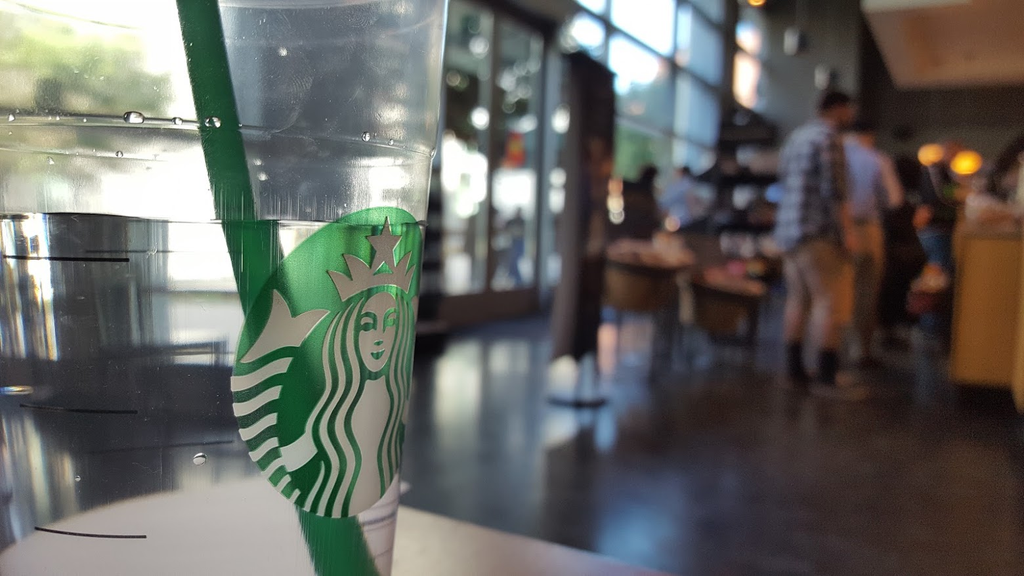
There is even independent confirmation that this isn’t just generic equipment being marketed toward coffee shops.
NSF’s certification database specifically lists versions of the Pentair Everpure MRS-600HE-II system designated for “Starbucks.” The system is certified as a reverse-osmosis system and for reduction of total dissolved solids. Certain configurations also carry claims for reducing chlorine taste and odor, particulates, lead, cysts and other substances.
In other words, Starbucks water isn’t simply tap water poured into your cup.
Why Does That Make It Taste Better?
Part of the trick is removing the things that make water taste like something.
Municipal tap water can contain varying amounts of chlorine, minerals and dissolved solids depending on where you live. None of those necessarily mean the water is unsafe, but they can dramatically alter its taste.
Commercial filtration can reduce chlorine and other compounds responsible for unwanted tastes and odors. Pentair, which makes filtration equipment used in Starbucks-specific systems, says those factors can affect both the flavor and aroma of beverages.
Reverse osmosis goes further by reducing dissolved solids.
The result can be water with a remarkably neutral, clean taste — especially noticeable if the local tap water is hard, heavily chlorinated or otherwise distinctive.
That consistency also matters tremendously for Starbucks.
A Pike Place Roast shouldn’t taste completely different just because you ordered it in Los Angeles instead of Chicago. Treating the incoming water lets Starbucks exert more control over an ingredient that otherwise varies enormously from city to city.
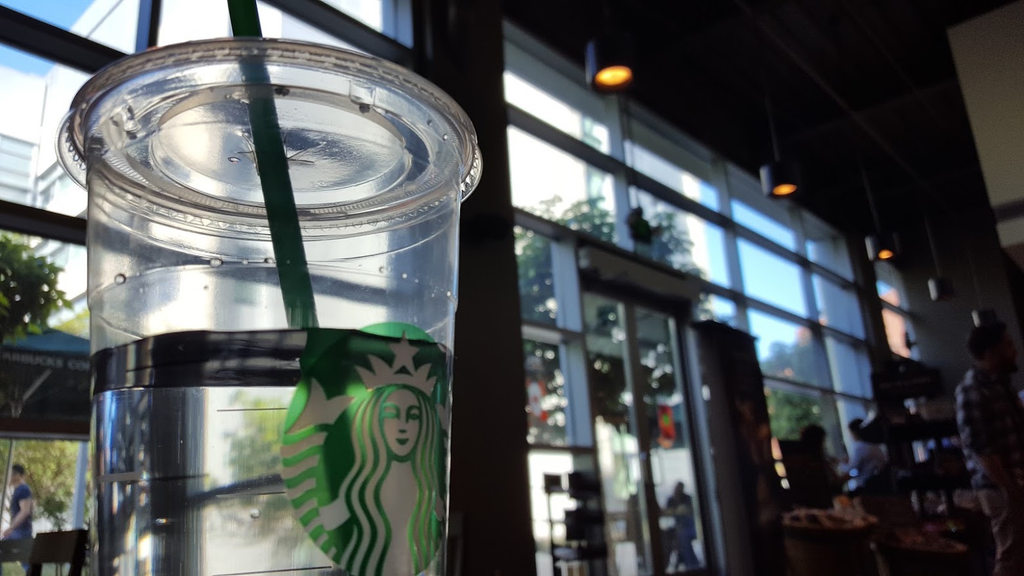
It’s Not Just About Your Cup of Water
There is another important reason Starbucks goes to so much trouble: nearly every drink in the store depends on water.
Coffee needs it. Americanos need it. Tea needs it. Cold Brew needs it. Refreshers are diluted with it. Ice eventually melts back into it.
Water chemistry can also affect expensive commercial coffee and ice equipment. Minerals can create scale inside machines, while filtration can help reduce buildup and other maintenance issues.
So the filtration system isn’t there primarily to make a free cup of ice water taste fantastic.
That’s more of a very pleasant side effect.
Starbucks needs highly controlled water to make its entire beverage operation work consistently — and when that carefully treated water is served all by itself, you can actually taste the difference.
Green Mermaid Review is independent and not affiliated with Starbucks. Our editorial standards · Report an error